
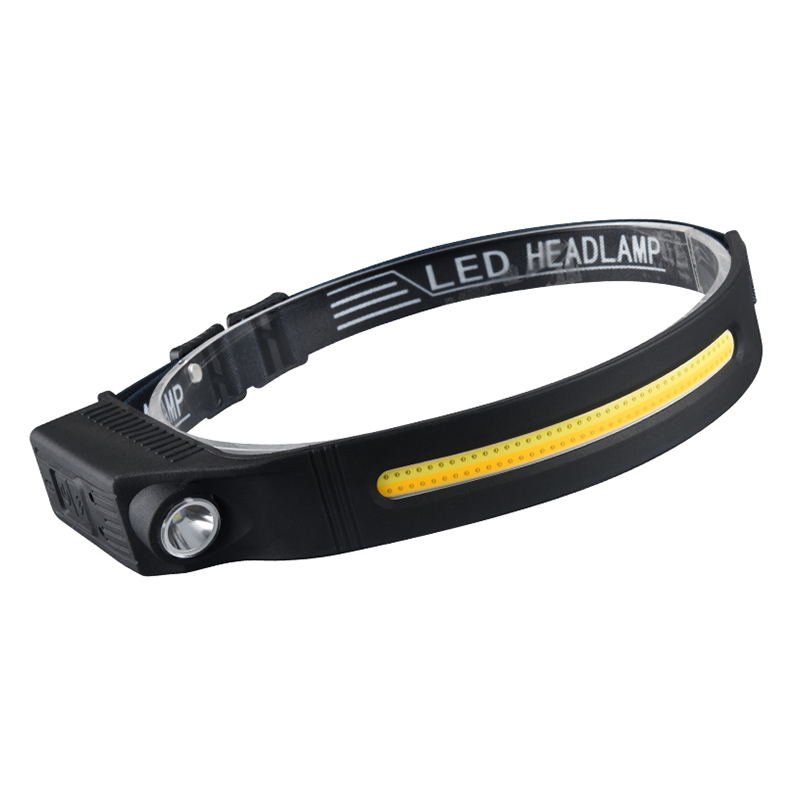
Emergency lighting plays a crucial role in ensuring safety during power outages, fires, or other emergencies. When emergency lights fail to function properly, the consequences can be severe, including increased risk of injury, confusion, and chaos during evacuation. Despite their importance, many buildings and facilities often face the issue of emergency lights not working effectively when they are most needed. Understanding the causes of these malfunctions and implementing proper maintenance strategies is essential for preventing safety hazards.
### The Importance of Emergency Lighting
Emergency lighting systems are designed to provide illumination when the normal power supply is interrupted. This lighting helps people navigate through corridors, stairwells, and exit routes safely. It also assists emergency responders in identifying hazards and performing rescues. Because emergencies are unpredictable, emergency lights must be reliable at all times.
Failure of emergency lighting compromises safety standards, potentially leading to compliance violations with local regulations or fire codes. Therefore, ensuring emergency lights remain operational through routine testing and maintenance is a responsibility for facility managers, property owners, and maintenance personnel alike.
### Common Causes of Emergency Light Failure
Several factors can cause emergency lights to stop working properly. These include:
1. **Battery Issues:** Most emergency lights rely on rechargeable batteries, which can degrade over time. If batteries are not replaced periodically, they may fail to provide power during an outage.
2. **Electrical Faults:** Wiring problems, blown fuses, or defective charge circuits can prevent emergency lights from turning on or charging correctly.
3. **Physical Damage:** Impact, water ingress, or corrosion can damage internal components of emergency lights, rendering them nonfunctional.
4. **Poor Maintenance:** Lack of regular inspection, testing, and servicing results in undetected faults that accumulate until failure occurs.
5. **Product Quality:** Low-quality or substandard emergency lighting equipment often has a shorter lifespan and higher failure rate.
### Industry Expertise in Lighting Solutions
Addressing problems like emergency light failure requires expertise in both lighting technology and quality manufacturing. This is where specialized companies, such as those focusing on customized production of lighting equipment, plastic, and hardware products, play an important role.
For example, Ningbo Yunsheng Electric Appliance Co., Ltd., a well-established company dedicated to the inspection and development of lighting products, exemplifies industry leadership in this field. Since its founding, Ningbo Yunsheng has prioritized innovation and quality control, ensuring the production of reliable lighting solutions adapted to customer specifications.
By leveraging advanced manufacturing techniques and thorough quality assurance processes, companies like Ningbo Yunsheng help reduce failure rates of emergency lighting systems. Their commitment to developing lighting products that meet stringent safety standards ensures end-users receive dependable illumination when it matters most.
### Best Practices for Preventing Emergency Light Failure
Facility operators should adopt a systematic approach to manage emergency lighting to minimize the likelihood of equipment malfunction. Recommended best practices include:
- **Regular Testing:** Conduct monthly functional tests by simulating a power failure to confirm emergency lights turn on automatically.
- **Battery Maintenance:** Replace rechargeable batteries as per manufacturer guidelines or whenever their capacity diminishes significantly.
- **Visual Inspection:** Look for visible signs of damage, corrosion, or wear and tear on emergency light units.
- **Professional Servicing:** Engage qualified service providers specializing in lighting system maintenance for periodic comprehensive checks.
- **Use Quality Products:** Invest in emergency lighting equipment from reputable manufacturers known for robust design and long-lasting components.
### The Role of Customization and Innovation
Emerging technologies and customization options allow companies to design lighting solutions tailored to unique environmental and operational requirements. Customized emergency lights can incorporate features such as:
- Enhanced battery life and charging efficiency
- Modular designs for easier servicing and upgrades
- Integration with building management and alarm systems
- Durable materials suited for harsh or corrosive environments
Companies like Ningbo Yunsheng Electric Appliance continuously research and develop new lighting technologies to meet evolving safety standards and customer needs. Their focus on combining quality plastic and hardware materials with advanced lighting components results in emergency lights that offer superior performance and reliability.
### Conclusion
An emergency light not working is far more than a simple inconvenience — it represents a serious safety risk. Ensuring that emergency lighting systems are always fully operational requires attention to quality manufacturing, ongoing maintenance, and the application of best practices.
By partnering with experienced manufacturers and suppliers in the lighting industry, such as Ningbo Yunsheng Electric Appliance Co., Ltd., facility managers can equip their buildings with emergency lighting that meets rigorous safety and quality standards.
Ultimately, proactive care and high-quality products protect lives and property by providing reliable illumination in critical moments. Don’t wait for an emergency to discover that your emergency lights aren’t working — take steps today to safeguard your environment and ensure preparedness when it counts.